This article was researched and reviewed by Leo, our indoor plant specialist.
Maintaining tropical plant species in northern latitudes during winter requires an understanding of indoor environmental variables. When outdoor temperatures drop and heating systems are activated, indoor humidity levels often decrease significantly. In instances of power failure or heating system malfunction, tropical collections—such as those in the Araceae family—can experience rapid tissue necrosis. This physiological decline is characterized by the breakdown of cellular structures, leading to the loss of specimens that have been cultivated over several years.
Guide Overview
- The Inefficacy of Manual Misting in Winter
- The Science of Vapor Pressure Deficit (VPD)
- Pathogenic Fungi and Surface Moisture
- Humidifier Classification: Ultrasonic vs. Evaporative
- Transpiration and Microclimate Grouping
- Fungus Gnat Management Protocols
- Correlation Between Low Humidity and Overwatering
- The BTI (Bacillus thuringiensis israelensis) Solution
- Hydrogen Peroxide Soil Flushes: Ratios and Risks
- Mechanical Barriers: Diatomaceous Earth and Sand
- Mitigating Winter Light Deficits
- PAR vs. Lumens: Photosynthetic Requirements
- Thermal Insulation Strategies for Windows
- Grow Light Placement for Large Specimens
- Photoperiod Management and Growth Patterns
- Maintenance of High-Sensitivity Species
- Stromanthe and Calathea Humidity Requirements
- Remediating Leaf Margin Necrosis
- Distilled vs. Tap Water: Mineral Toxicity
- Pebble Trays vs. Enclosed Environments
- Vertical Growth Systems in Small Spaces
- Trellis Systems and Aerial Root Hydration
- Thermal Gradients and Shelf Placement
- Propagation as a Collection Insurance Strategy
- Pruning for Density vs. Etiolated Growth
- Recovery Roadmap for Distressed Plants
- Quarantine Protocols for Winter Acquisitions
- Root Rot Identification and Remediation
- Suspension of Fertilization During Winter
- Rehydrating Hydrophobic Root Balls
- FAQ
Successful cultivation of tropical species in dry winter climates requires a shift from casual care to an engineering-based approach. When indoor relative humidity levels drop below 30%, high-maintenance species require precise environmental controls. This guide addresses the technical requirements for maintaining vascular pressure and preventing tissue loss during the winter months.
The Inefficacy of Manual Misting in Winter
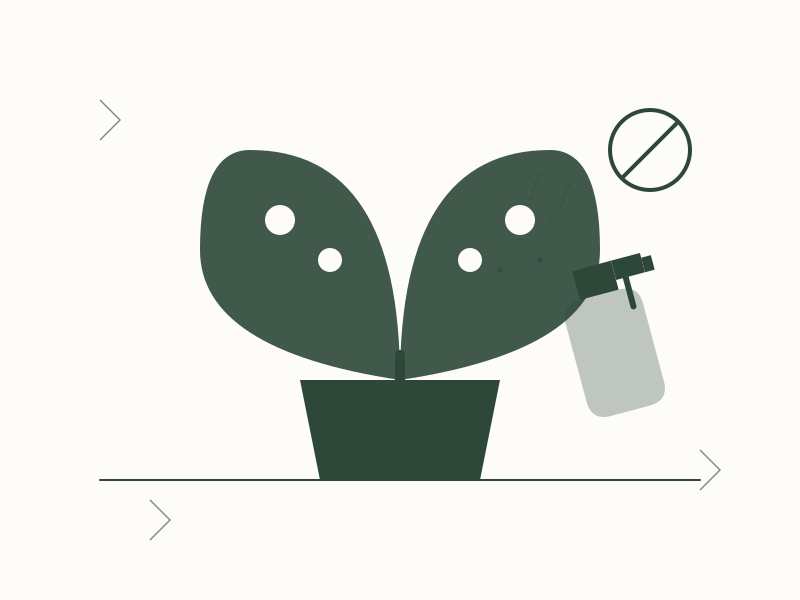
Manual misting with a spray bottle is an ineffective method for increasing ambient humidity. The water droplets provide a temporary increase in local humidity that typically dissipates within 90 seconds. This does not result in a sustained change to the room’s atmospheric moisture levels and fails to address the underlying physiological needs of the plant.
The Science of Vapor Pressure Deficit (VPD)
Vapor Pressure Deficit (VPD) is the difference between the amount of moisture the air can hold when it is saturated and the amount of moisture currently in the air. A plant’s stomata operate based on this pressure. When the air is dry, the VPD is high, causing the atmosphere to pull moisture from the leaf faster than the root system can supply it.
At a cellular level, the guard cells surrounding the stomata lose turgor pressure, causing the pores to close to prevent desiccation. Closed stomata inhibit photosynthesis, leading to a cessation of growth. Misting the leaf surface does not lower the room’s VPD and is insufficient for maintaining the necessary pressure gradient.
Pathogenic Fungi and Surface Moisture
In winter environments with low airflow, misting can be counterproductive. Standing water on leaf surfaces provides a medium for pathogens. Fungal spores, such as Botrytis and various leaf spot diseases, require free-standing water to germinate and penetrate the leaf cuticle. Without the high airflow and heat found in greenhouse environments, water can pool in petioles and soften cell walls, facilitating fungal infection.
Humidifier Classification: Ultrasonic vs. Evaporative
To effectively manage VPD, mechanical humidification is required. Ultrasonic humidifiers use a metal diaphragm vibrating at high frequencies to create a mist. However, if used with hard water, these units disperse calcium and magnesium minerals into the air, which can settle on leaves and clog stomata.
Evaporative humidifiers utilize a wick and a fan system. This method is self-regulating; as ambient humidity increases, the rate of evaporation naturally decreases. If ultrasonic units are used, distilled or reverse osmosis water is required to prevent mineral accumulation on plant tissues.
Transpiration and Microclimate Grouping
Plants release water vapor through their leaves via transpiration. By grouping plants in close proximity, a localized microclimate with higher relative humidity is created. The collective transpiration of multiple plants can maintain a more stable environment than a single isolated specimen in a dry room.
Fungus Gnat Management Protocols
Fungus gnat infestations in winter are typically a symptom of environmental conditions. Low light levels reduce the rate of soil evaporation, leading to prolonged moisture in the substrate. This creates an environment conducive to gnat reproduction.
Correlation Between Low Humidity and Overwatering
Dry indoor air often leads to overwatering. While the top layer of soil may appear dry due to surface evaporation, the lower sections of the root ball may remain saturated. Because plants have reduced metabolic rates during shorter winter days, water uptake is diminished. Roots remaining in stagnant water can develop Pythium (root rot) as anaerobic conditions persist.
The BTI (Bacillus thuringiensis israelensis) Solution
Effective management of fungus gnats requires targeting the larval stage. Bacillus thuringiensis israelensis (BTI) is a bacterium that produces toxins that disrupt the gut lining of gnat larvae.
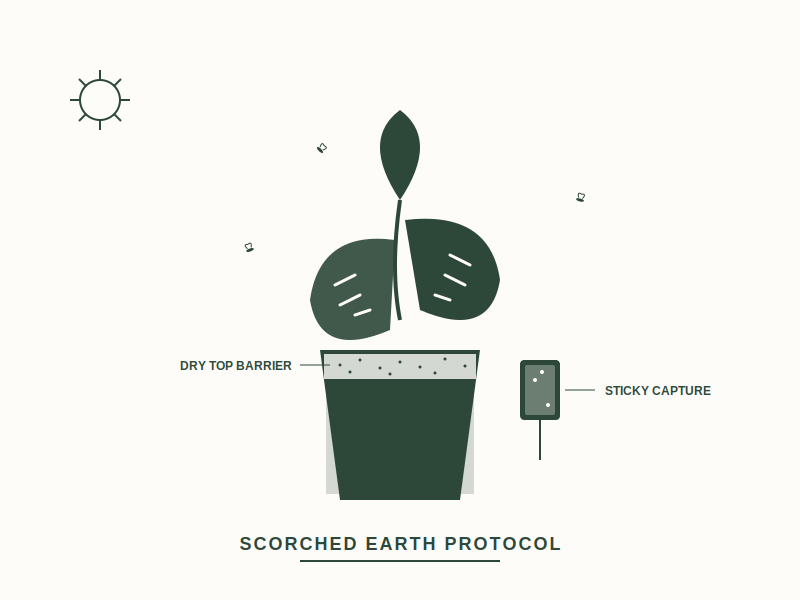
BTI can be applied by soaking “Mosquito Bits” or “Mosquito Dunks” in water for 24 hours prior to application. This treatment must be applied for at least three consecutive watering cycles to interrupt the insect’s life cycle. BTI is specific to dipteran larvae and does not affect beneficial soil organisms like Isopods.
Hydrogen Peroxide Soil Flushes: Ratios and Risks
For severe infestations, a 1:4 ratio of 3% hydrogen peroxide to water can be used as a soil drench. The resulting chemical reaction releases oxygen, which kills larvae on contact and aerates the substrate. However, this process also eliminates beneficial soil microbes and should be used only as a corrective measure rather than a standard maintenance practice.
Mechanical Barriers: Diatomaceous Earth and Sand
Diatomaceous earth (DE) consists of fossilized diatoms that act as a mechanical abrasive against insects. DE is only effective when dry and must be applied to the surface of the soil. Alternatively, a one-inch layer of horticultural sand can serve as a physical barrier to prevent adult gnats from accessing the substrate for egg-laying.
Mitigating Winter Light Deficits
In northern regions, solar intensity decreases significantly during winter. Light intensity can drop by as much as 75% just four feet away from a window compared to the sill.
PAR vs. Lumens: Photosynthetic Requirements
Lumens measure brightness as perceived by the human eye, which is most sensitive to green light. Plants require blue and red photons for photosynthesis, measured as Photosynthetically Active Radiation (PAR) or Photosynthetic Photon Flux Density (PPFD).
During winter, tropical plants may enter a state of negative carbon balance, where they consume stored sugars to maintain cellular functions. Without supplemental lighting, plants may abscise lower leaves to reallocate nutrients to the apical meristem.
Thermal Insulation Strategies for Windows
While windows provide light, they also present thermal risks. Nighttime temperatures near glass can be significantly lower than the room average, causing cold stress to root systems. Applying clear thermal film or bubble wrap to windows creates an insulating air gap, maintaining leaf temperatures within an acceptable range.
Grow Light Placement for Large Specimens
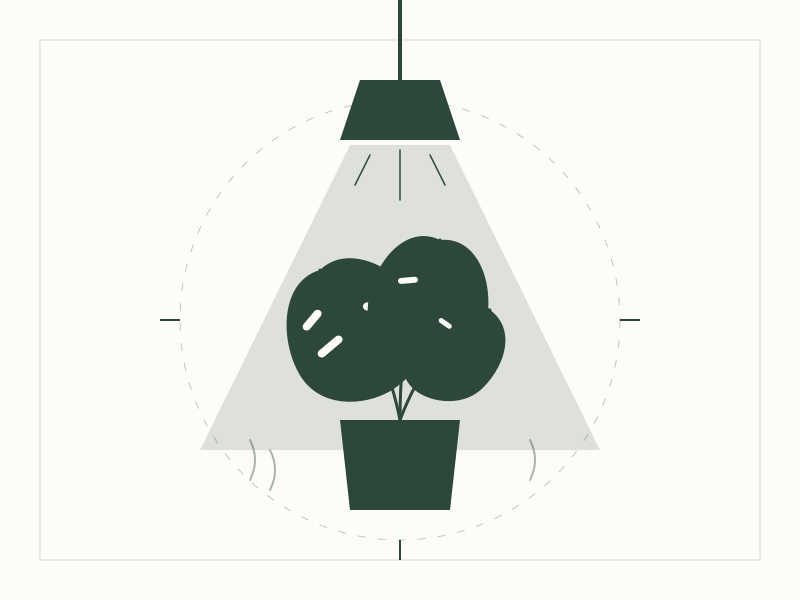
Large specimens, such as Strelitzia nicolai, require high-output LED panels. Due to the inverse square law, doubling the distance between the light source and the plant reduces the light intensity to one-fourth. LED panels should be positioned approximately 18-24 inches from the upper canopy for optimal results.
Photoperiod Management and Growth Patterns
Tropical plants do not undergo true dormancy but respond to shorter photoperiods with reduced growth. Maintaining a 12-14 hour light cycle using supplemental lighting can prevent etiolation—the production of small leaves on elongated, weak petioles.
Maintenance of High-Sensitivity Species
Species such as Stromanthe thalia ‘Triostar’ serve as biological indicators for environmental stress. These plants are adapted to high-humidity understory environments and exhibit rapid physiological responses to dry air.
Stromanthe and Calathea Humidity Requirements
These species exhibit nyctinasty, the circadian movement of leaves. This movement is controlled by the pulvinus, an organ that regulates turgor pressure. If humidity is insufficient, the plant cannot maintain the necessary pressure, and leaf movement ceases.
Remediating Leaf Margin Necrosis
Leaf margin necrosis (brown edges) in Marantaceae is typically caused by a combination of low humidity and mineral sensitivity. These plants are sensitive to fluoride, chlorine, and salts in municipal water. As the plant transpires, these minerals accumulate at the leaf margins, eventually reaching toxic levels and causing cell death.
Distilled vs. Tap Water: Mineral Toxicity
During winter stress, the use of distilled water or rainwater is recommended for sensitive species. White mineral deposits on terracotta pots indicate high water hardness, which can exacerbate physiological stress in tropical plants.
Pebble Trays vs. Enclosed Environments
Pebble trays provide a negligible increase in relative humidity, often less than 2%. For high-maintenance species in dry climates, enclosed environments such as glass cabinets or cloches are necessary to maintain humidity levels above 60% without affecting the broader indoor environment.
Vertical Growth Systems in Small Spaces
Vertical growth systems face unique challenges in winter due to thermal stratification. Because warm air rises, the upper portions of climbing plants may experience higher temperatures and lower humidity than the base.
Trellis Systems and Aerial Root Hydration
Aerial roots in climbing species like *Epipremnum* or *Monstera* function as moisture sensors and anchors. In dry conditions, these roots can desiccate. Using a moistened moss pole provides a vertical hydration source. Care must be taken with wire supports to prevent mechanical girdling of the vines.
Thermal Gradients and Shelf Placement
In rooms with high ceilings, temperature differences of 10 degrees Fahrenheit can exist between the floor and upper shelves. While heat-tolerant species like *Alocasia* may benefit from higher placement, humidity-sensitive plants should be placed lower where the air is cooler and retains more moisture.
Propagation as a Collection Insurance Strategy
Taking cuttings during winter serves as a safeguard against the loss of the primary specimen. Maintaining water-propagated cuttings ensures that genetic material is preserved if the parent plant suffers from environmental stress or mechanical failure.
Pruning for Density vs. Etiolated Growth
If a plant produces etiolated growth during winter, pruning can be used to conserve energy. Removing weak growth encourages the plant to utilize its resources for maintaining existing structures until light levels increase in the spring.
Recovery Roadmap for Distressed Plants
Acquiring distressed plants during winter requires a specific rehabilitation protocol to account for transport shock and existing stressors.
Quarantine Protocols for Winter Acquisitions
New acquisitions should be isolated for a minimum of 14 days. Pests such as spider mites and thrips have accelerated life cycles in heated indoor environments. Quarantine in a high-humidity area, such as a bathroom, allows for recovery and monitoring before integration into the main collection.
Root Rot Identification and Remediation
If a substrate is anaerobic and emitting odors, immediate intervention is required. Root rot is identified by brown, mushy tissue that detaches from the vascular core. Affected areas should be excised, and the remaining root system should be treated with a diluted hydrogen peroxide solution before repotting in a highly aerated substrate.
Suspension of Fertilization During Winter
Fertilization should be suspended during winter unless the plants are under high-intensity lighting and maintaining active growth. Inactive plants cannot utilize supplemental nitrogen, leading to salt accumulation in the substrate, which can cause osmotic stress and root burn.
Rehydrating Hydrophobic Root Balls
Peat-based substrates can become hydrophobic when completely dry, causing water to bypass the root ball. If a plant shows signs of desiccation despite watering, bottom-watering—submerging the pot in lukewarm water for 30 minutes—is required to restore substrate hydration.

Winter plant care focuses on the management of environmental variables including VPD, light intensity, and microbial activity. Success is dependent on technical preparation and the use of appropriate humidification and lighting systems. Monitoring hygrometers and adjusting care protocols based on physiological indicators is essential for the survival of tropical species in non-tropical climates.
FAQ
- Q: Can I use a space heater near my plants if the room is too cold?
A: Space heaters produce low-humidity forced air that can cause rapid leaf desiccation. If used, they should be placed at a distance from the plants, and humidification must be increased to compensate for the moisture loss. - Q: My Monstera is developing yellow edges on the lower leaves. Is it a deficiency?
A: In winter, this is typically a result of nutrient translocation. The plant breaks down chlorophyll in older leaves to support new growth due to insufficient light. Increasing light intensity is the recommended corrective action. - Q: Should I use warm or cold water for winter watering?
A: Use lukewarm water. Cold water can cause thermal shock to the roots of tropical species, potentially leading to leaf abscission or root death. - Q: How do I know if the air is too dry without a hygrometer?
A: A hygrometer is the only accurate method for measurement. Physical indicators include new leaves becoming stuck in the cataphyll or emerging with necrotic margins. - Q: Is it okay to prune dead leaves in winter?
A: Yes. Removing necrotic tissue improves airflow and reduces the risk of fungal or pest infestations. Use sterilized tools for all pruning.