This article was researched and reviewed by Leo, indoor plant specialist.
Maintaining *Jasminum polyanthum* in an indoor environment often results in healthy vegetative growth without flower production. For specimens to produce buds, specific environmental triggers must be met. This guide outlines the physiological requirements for inducing and maintaining blooms in indoor Jasmine species.
Guide Overview
- Temperature Requirements: The Vernalization Period
- The Science of Vernalization
- Ideal Nighttime Temperature Differentials
- Methods for Indoor Temperature Regulation
- Scheduling the Cooling Phase
- Light Intensity and Photoperiodism
- Foot-Candle Requirements for Jasmine
- Darkness Duration and Bud Formation
- Supplemental LED Lighting Systems
- Foliar Indicators of Light Deficiency
- Nitrogen Levels and Reproductive Inhibition
- Optimizing NPK Ratios for Flowering
- Phosphorus Application Timing
- Managing Fertilizer Salt Accumulation
- Organic and Synthetic Nutrient Sources
- Pruning to Stimulate New Growth
- Distinguishing Old Wood from New Growth
- Post-Bloom Pruning Protocols
- Pinching Techniques for Branching
- Tool Sterilization and Pathogen Prevention
- Humidity and Hydration Management
- Minimum Humidity Thresholds
- Watering Protocols During Bud Development
- Ineffectiveness of Misting
- Diagnostic Symptoms of Bud Blast
- Pest Management in Flowering Plants
- Spider Mite Identification and Control
- Fungus Gnat Control in Organic Media
- Systemic and Contact Pesticide Application
- Environmental Stress and Floral Induction
Indoor Jasmine plants often fail to bloom when maintained in constant, moderate temperatures. To initiate the flowering cycle, the plant requires seasonal environmental shifts that trigger reproductive hormones. Without these specific stressors, the plant will remain in a vegetative state indefinitely.
Successful flowering requires a combination of temperature manipulation, light management, and nutrient adjustment. Inducing blooms is a technical process of simulating the plant’s natural habitat to shift its energy from leaf production to floral development.
Temperature Requirements: The Vernalization Period
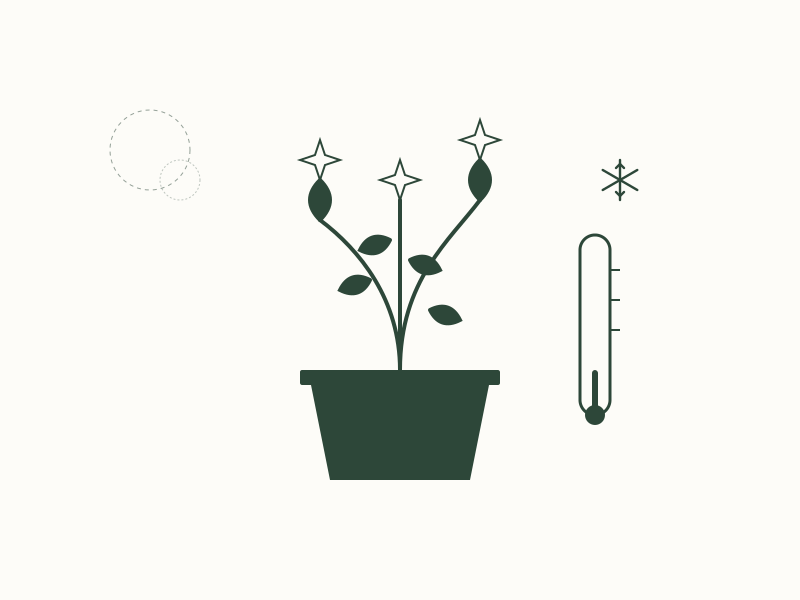
Species such as *Jasminum polyanthum* and *Jasminum officinale* require a period of vernalization to produce flowers. Maintaining these plants in a constant indoor temperature of 70°F (21°C) prevents the transition from vegetative to reproductive growth.
The Science of Vernalization
Vernalization is the biological process where exposure to low temperatures triggers the transition to reproductive growth. At the cellular level, this involves the downregulation of the FLC (Flowering Locus C) gene. In many Jasmine species, constant temperatures maintain the plant in a juvenile vegetative state, preventing the development of floral primordia.
Historical data from botanical collections indicates that Jasmine specimens exposed to significant nighttime temperature drops exhibit higher bloom density. This is due to the hormonal shift required to initiate bud formation.
Ideal Nighttime Temperature Differentials
To induce bud set, Jasmine requires a cooling period of six to eight weeks during late autumn or early winter. Nighttime temperatures should be maintained between 40°F and 55°F (4°C to 13°C). In well-insulated indoor environments, these temperatures are rarely achieved without intervention.
Placing the plant near a window with a slight draft or in an unheated area such as a stairwell can provide the necessary temperature drop. Without this thermal signal, gibberellins will continue to promote stem elongation rather than floral development.
Methods for Indoor Temperature Regulation
If a dedicated cool room is unavailable, the following methods can be used: 1. **Window Proximity**: Position the pot against the glass of a north or east-facing window, where microclimates are typically 10 degrees cooler than the room average. 2. **Cool Storage**: Relocate the plant to a cool basement with minimal light for a two-month duration. 3. **Moisture Control**: Reduce watering frequency during the cooling period. Lower temperatures combined with high soil moisture can lead to root rot and cellular collapse. Soil should be allowed to dry significantly between applications.
Scheduling the Cooling Phase
The cooling phase should begin in October or November. By late January, the plant will have accumulated sufficient chilling hours. When returned to warmer temperatures and increased light, the resulting metabolic surge will initiate the development of dormant buds.
Light Intensity and Photoperiodism
Standard indoor light levels are often insufficient for Jasmine. During winter months, ambient light in northern latitudes may not meet the minimum threshold for floral induction.
Foot-Candle Requirements for Jasmine
Jasmine requires high photon flux to synthesize volatile oils and fuel reproductive growth. A minimum of 1,000 to 2,000 foot-candles for 6 to 8 hours daily is required. Light levels should be verified with a light meter, as human visual perception often overestimates indoor light intensity.
Increased internodal spacing, known as etiolation, indicates insufficient light. A plant in an etiolated state prioritizes stem elongation over flower production to reach higher light intensities.
Darkness Duration and Bud Formation
Photoperiodism involves the duration of uninterrupted darkness. Certain Jasmine species are short-day plants, requiring long nights to trigger hormonal shifts. Exposure to artificial indoor lighting during the night can disrupt the circadian rhythm and phytochrome levels, preventing the plant from sensing seasonal changes.
Supplemental LED Lighting Systems
In the absence of southern exposure, full-spectrum LED lighting is necessary. Lights should be positioned 12 to 18 inches from the canopy. Monitor for foliar bleaching; healthy leaves should maintain a dark green, waxy appearance rather than a pale lime hue.
Foliar Indicators of Light Deficiency
Lower leaf senescence and spindly new growth indicate light deficiency. Fertilizing a plant with insufficient light can lead to a toxic accumulation of salts in the soil, as the plant lacks the photosynthetic energy to process nutrients. This mechanism is similar to the light-response observed in other high-light species.
Nitrogen Levels and Reproductive Inhibition
The application of balanced fertilizers (e.g., 10-10-10) during the pre-bloom phase can inhibit flower production by favoring vegetative growth.
Optimizing NPK Ratios for Flowering
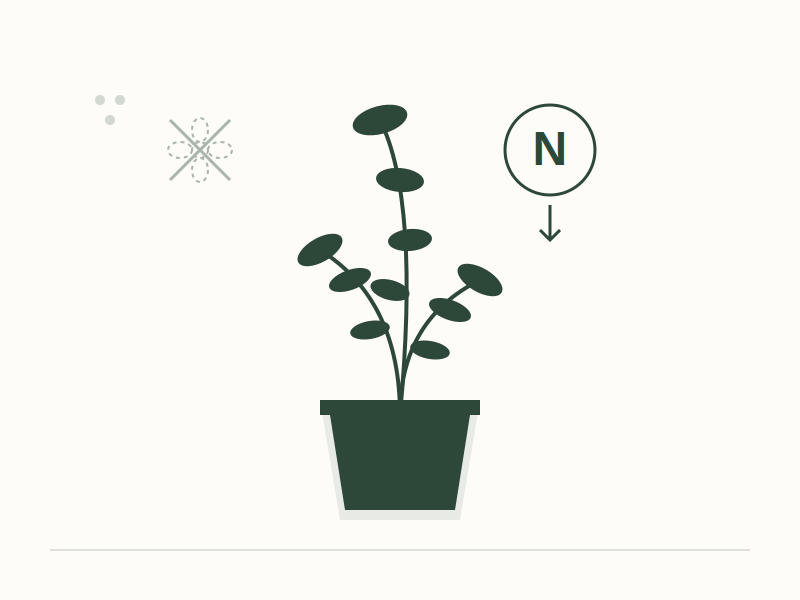
Nitrogen (N) promotes chlorophyll production and leaf expansion. Excessive nitrogen leads to luxury consumption, where the plant prioritizes vegetative biomass over reproductive structures. To induce blooms, the NPK ratio must be adjusted to favor Phosphorus (P), which is essential for energy transfer (ATP) and reproductive tissue development.
Phosphorus Application Timing
High-nitrogen fertilization should be discontinued in late summer. Once bud primordia are visible or the cooling period ends, a high-phosphorus fertilizer should be applied. Diluted liquid kelp or bone meal are effective organic options for providing necessary nutrients.
Managing Fertilizer Salt Accumulation
Over-fertilization in indoor plants leads to salt accumulation as water evaporates. High osmotic pressure in the soil can cause physiological drought, where water is drawn out of the roots. Symptoms include necrotic leaf tips and bud abscission. Flushing the soil with distilled water every third watering cycle can mitigate salt buildup.
Organic and Synthetic Nutrient Sources
Synthetic fertilizers provide immediate nutrient availability but can negatively impact soil microbiology. Organic fertilizers provide a slower release of nutrients and contribute to long-term plant resilience and cellular integrity.
Pruning to Stimulate New Growth
Jasmine exhibits apical dominance, where the terminal bud produces auxins that suppress lateral bud growth. Without pruning, the plant will focus energy on a single primary vine.
Distinguishing Old Wood from New Growth
Many species, including *Jasminum sambac*, bloom on new growth. Woody, brown stems are less likely to produce flowers. Pruning is required to stimulate the production of fresh, green stems where buds can form.
Post-Bloom Pruning Protocols
Following the bloom cycle, vines should be reduced by approximately one-third. Removing the growing tips reduces auxin levels and allows cytokinins to stimulate lateral branching. This increases the number of potential bud sites for the next cycle.
Pinching Techniques for Branching
Removing the tips of new vines after 3-4 sets of leaves have developed encourages a compact, bushy growth habit. This prevents excessive vine length and maximizes floral density within a limited space.
Tool Sterilization and Pathogen Prevention
To prevent the transmission of pathogens such as *Fusarium* or *Pythium*, pruning tools must be sterilized with 70% isopropyl alcohol between uses. Stressed plants are particularly susceptible to vascular infections introduced via contaminated shears.
Humidity and Hydration Management
Bud blast, the premature dropping of flower buds, is often caused by low humidity or inconsistent soil moisture. The plant aborts reproductive structures when environmental conditions cannot support the high transpirational demands of the flowers.
Minimum Humidity Thresholds
Jasmine flowers have high transpirational rates. Indoor humidity levels below 50% can cause buds to desiccate. Ultrasonic humidifiers are more effective at maintaining necessary moisture levels than pebble trays, which do not significantly impact the plant’s stomatal environment.
Watering Protocols During Bud Development
Water requirements increase during bud set to maintain turgor pressure in the flower stems. Complete desiccation of the soil can trigger a survival response where the plant sacrifices buds to preserve foliage. Soil moisture should be monitored regularly to ensure a consistent damp-sponge texture.
Ineffectiveness of Misting
Misting provides only temporary humidity and can encourage the germination of fungal spores on leaf surfaces. Grouping plants together to create a communal transpiration zone is a more effective method for increasing local humidity.
Diagnostic Symptoms of Bud Blast
Yellowing buds typically indicate overwatering or root hypoxia. Crispy, brown buds indicate low humidity or underwatering. Adjusting environmental parameters based on these symptoms is necessary for successful flowering.
Pest Management in Flowering Plants
Infestations cause plants to divert energy from reproduction to defense, leading to bud abandonment. Secondary metabolites produced during pest attacks further inhibit floral development.
Spider Mite Identification and Control
Spider mites thrive in dry indoor air and target tender bud tissue. Symptoms include fine webbing and stippled foliage. Neem oil can be used for control, but application should avoid open flowers to prevent premature wilting.
Fungus Gnat Control in Organic Media
Fungus gnat larvae consume root hairs, impairing the plant’s ability to absorb phosphorus. *Bacillus thuringiensis israelensis* (BTI) is an effective biological control for managing larvae in the soil without affecting the plant’s health.
Systemic and Contact Pesticide Application
Thrips often inhabit the interior of flower buds, making contact sprays ineffective. For indoor plants not accessible to pollinators, systemic insecticides such as imidacloprid may be required for severe infestations.
Environmental Stress and Floral Induction
Consistent environmental conditions are critical for floral induction. Frequent relocation or irregular maintenance schedules create stress events that inhibit reproduction. A stable environment with high light, appropriate humidity, and a defined cooling period is necessary for consistent Jasmine flowering.